

Table of Contents
ToggleMindfulness practices help people focus on the present moment without judgment. These techniques have gained widespread attention in recent years, and for good reason. Research shows that regular mindfulness practice can reduce stress, improve focus, and boost emotional well-being.
But what exactly are mindfulness practices? How did they develop? And how can someone start using them today? This guide answers these questions with clear, practical information. Whether someone is brand new to mindfulness or looking to deepen their understanding, this article covers the essentials of present-moment awareness.
Key Takeaways
- Mindfulness practices involve paying attention to the present moment with openness and curiosity—without labeling thoughts as good or bad.
- Regular mindfulness practice reduces stress, improves focus, and enhances emotional regulation, with research showing benefits comparable to antidepressants for depression symptoms.
- Breathing exercises and body scan meditation are two accessible mindfulness practices anyone can start today without special equipment.
- Just 10-20 minutes of daily mindfulness practice can produce meaningful results within eight weeks.
- Start small with 2-5 minutes daily—consistency matters more than duration when building a mindfulness routine.
- Mindfulness can extend beyond formal meditation into everyday activities like mindful eating, walking, or listening during conversations.
Understanding Mindfulness and Its Origins
Mindfulness is the practice of paying attention to the present moment with openness and curiosity. It involves noticing thoughts, feelings, and sensations without labeling them as good or bad. The goal isn’t to empty the mind, it’s to observe what’s happening right now.
The roots of mindfulness practices stretch back over 2,500 years to Buddhist meditation traditions in Asia. Monks used these techniques to cultivate awareness and inner peace. But, mindfulness isn’t exclusively religious. Many people practice it in secular settings today.
Jon Kabat-Zinn brought mindfulness practices into mainstream Western medicine in 1979. He founded the Mindfulness-Based Stress Reduction (MBSR) program at the University of Massachusetts Medical School. His work showed that mindfulness could help patients manage chronic pain, anxiety, and depression.
Since then, mindfulness practices have spread into schools, workplaces, hospitals, and homes worldwide. Scientists have published thousands of studies examining their effects. The evidence supports what practitioners have known for centuries: paying attention to the present moment changes how people experience their lives.
Today, mindfulness practices take many forms. Some involve sitting meditation. Others focus on movement, eating, or daily activities. The common thread is intentional awareness, choosing to notice what’s happening instead of running on autopilot.
Common Types of Mindfulness Practices
Mindfulness practices come in several varieties. Each approach offers a different entry point into present-moment awareness. Here are two of the most popular and accessible methods.
Breathing Exercises
Breathing exercises form the foundation of many mindfulness practices. They work because breath is always available and always happening in the present moment.
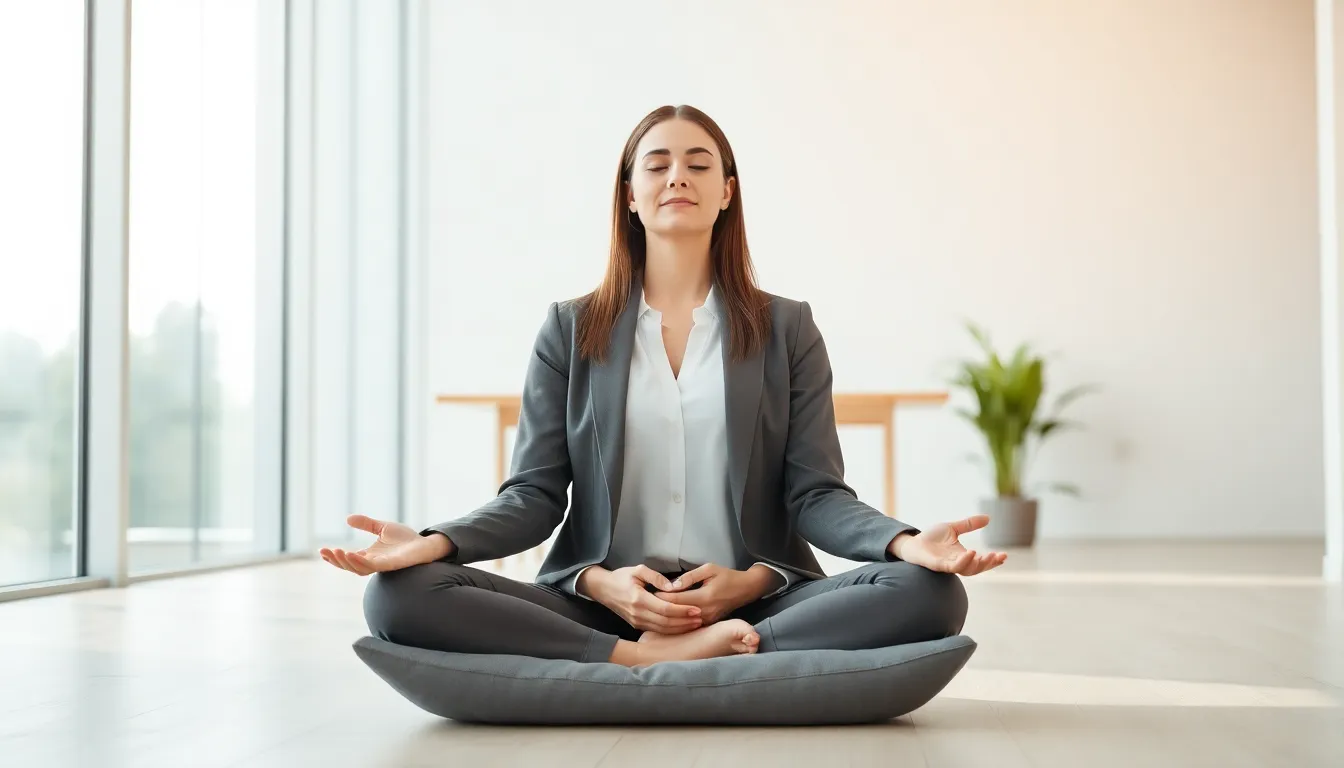
A simple breathing exercise works like this: Find a comfortable seat. Close the eyes or soften the gaze. Notice the breath entering and leaving the body. When the mind wanders (and it will), gently return attention to the breath.
That’s it. No special equipment required. No perfect technique to master.
Some people count breaths, inhale for four counts, hold for four, exhale for four. Others simply observe without counting. Both approaches qualify as mindfulness practices. The key is sustained attention, not a specific method.
Breathing exercises can take as little as one minute or extend to thirty minutes or more. Even brief sessions provide benefits. Research from Harvard Medical School found that just a few minutes of focused breathing can lower blood pressure and reduce cortisol levels.
Body Scan Meditation
Body scan meditation directs attention systematically through different body parts. This practice builds awareness of physical sensations that often go unnoticed.
To perform a body scan, a person lies down or sits comfortably. They start by noticing sensations in the feet, temperature, pressure, tingling. Then attention moves slowly upward through the legs, torso, arms, and head.
The practice doesn’t require changing anything. It’s about noticing. Maybe the shoulders feel tight. Maybe the jaw is clenched. Body scan meditation reveals these patterns without forcing a response.
This type of mindfulness practice is especially helpful for people who carry stress in their bodies. It creates a direct connection between mental awareness and physical experience. Many practitioners report better sleep and reduced muscle tension after regular body scan sessions.
Benefits of Regular Mindfulness Practice
Mindfulness practices deliver measurable benefits across multiple areas of life. The research base has grown substantially over the past two decades.
Stress reduction stands out as the most well-documented benefit. A 2014 meta-analysis in JAMA Internal Medicine found that mindfulness meditation programs improved anxiety, depression, and pain. The effects were comparable to antidepressants for treating depression symptoms.
Improved focus follows naturally from mindfulness practices. Training the mind to stay with one object of attention, like the breath, strengthens concentration over time. Studies show that regular practitioners perform better on attention tasks than non-practitioners.
Emotional regulation improves with consistent practice. Mindfulness creates space between stimulus and response. Instead of reacting automatically to frustration or anger, practitioners can observe the emotion and choose their response. This skill translates directly into better relationships and workplace performance.
Physical health benefits also emerge from mindfulness practices. Research links regular practice to lower blood pressure, improved immune function, and reduced inflammation markers. Some studies suggest mindfulness may even slow cellular aging.
Better sleep rounds out the list of common benefits. Racing thoughts keep many people awake at night. Mindfulness practices train the mind to release these thoughts instead of following them. A 2015 study in JAMA Internal Medicine found that mindfulness meditation improved sleep quality in older adults with sleep disturbances.
These benefits don’t require hours of daily practice. Most research suggests that 10-20 minutes per day produces meaningful results within eight weeks.
How to Start a Mindfulness Routine
Starting mindfulness practices doesn’t require special training or expensive retreats. Anyone can begin today with these practical steps.
Start small. Five minutes daily beats thirty minutes once a week. Consistency matters more than duration. Many successful practitioners began with just two or three minutes per session.
Pick a specific time. Morning works well for many people, the mind is fresh, and the day hasn’t imposed its demands yet. Others prefer evening practice to unwind. The best time is whatever time actually happens.
Choose a simple technique. Breathing exercises offer the easiest entry point into mindfulness practices. Sit comfortably, focus on the breath, and return attention when it wanders. That’s the whole practice.
Use guided resources if helpful. Apps like Headspace, Calm, and Insight Timer offer structured programs for beginners. These can provide useful scaffolding, though they’re not required.
Expect the mind to wander. This isn’t failure, it’s the practice. Noticing that attention has drifted and bringing it back builds the mindfulness muscle. Each return is a successful repetition.
Be patient. Mindfulness practices produce gradual changes. Some benefits appear quickly, like immediate stress relief. Others, like improved emotional regulation, develop over weeks or months.
Integrate mindfulness into daily activities. Formal sitting practice matters, but mindfulness can happen anywhere. Eating one meal mindfully. Walking without checking the phone. Listening fully during a conversation. These moments extend the practice into ordinary life.


