

Table of Contents
ToggleWhat is coffee culture? It’s more than a morning habit or a caffeine fix. Coffee culture represents how societies gather, communicate, and create rituals around a single beverage. From Ethiopian highlands to Brooklyn cafés, coffee shapes daily routines and social interactions across the globe.
This guide explores coffee culture’s origins, its defining elements, and how it differs across countries. Whether someone sips espresso in Milan or cold brew in Tokyo, they participate in a tradition centuries in the making. Understanding coffee culture reveals much about human connection and community.
Key Takeaways
- Coffee culture represents how societies create rituals, social connections, and community gatherings around a single beverage.
- Originating in 15th-century Ethiopia, coffee culture spread through Ottoman coffeehouses, European establishments, and eventually across the globe.
- Modern coffee culture is defined by quality beans, diverse brewing methods, sustainability practices, and the rise of home brewing.
- Coffee culture varies dramatically by country—from Italy’s quick espresso bars to Sweden’s mandatory fika breaks and Ethiopia’s ceremonial traditions.
- Coffee shops serve as essential “third places” that support remote work, local economies, and community engagement beyond just selling beverages.
- The specialty coffee movement has created new career paths, turning baristas and roasters into respected professionals with competitive salaries.
The Origins and History of Coffee Culture
Coffee culture traces its roots to 15th-century Ethiopia. Legend tells of a goat herder named Kaldi who noticed his goats became energetic after eating certain berries. He shared his discovery with local monks, who used the berries to stay awake during long prayers. From there, coffee spread across the Arabian Peninsula.
By the 1500s, coffeehouses appeared in cities like Mecca, Cairo, and Istanbul. These establishments became centers for conversation, music, and intellectual debate. The Ottoman Empire called them “schools of the wise.” Coffee culture had found its first true home.
Coffee reached Europe in the 17th century. Venice welcomed the first European coffeehouse in 1629. London followed with its own coffeehouses by 1652. These spaces attracted merchants, writers, and politicians. Lloyd’s of London, the famous insurance market, actually started as a coffeehouse.
The beverage crossed the Atlantic during colonial times. Americans initially preferred tea, but the Boston Tea Party of 1773 changed that. Drinking coffee became a patriotic act. By the 19th century, coffee culture had established itself across North America.
The 20th century brought significant changes. Instant coffee appeared in 1901. Espresso machines revolutionized Italian coffee culture in the early 1900s. Then came the “waves” of coffee, from mass-market commodity coffee to specialty roasts and artisan brewing methods. Each wave reshaped how people viewed and consumed coffee.
Key Elements That Define Coffee Culture Today
Modern coffee culture rests on several key pillars. The first is quality. Specialty coffee shops focus on single-origin beans, precise roasting profiles, and careful brewing techniques. Consumers now ask where their beans came from and how farmers were compensated.
Brewing methods represent another defining element of coffee culture. Pour-over, French press, AeroPress, and cold brew each offer distinct flavor profiles. Baristas train for years to perfect their craft. Some competitions treat coffee preparation like a sport.
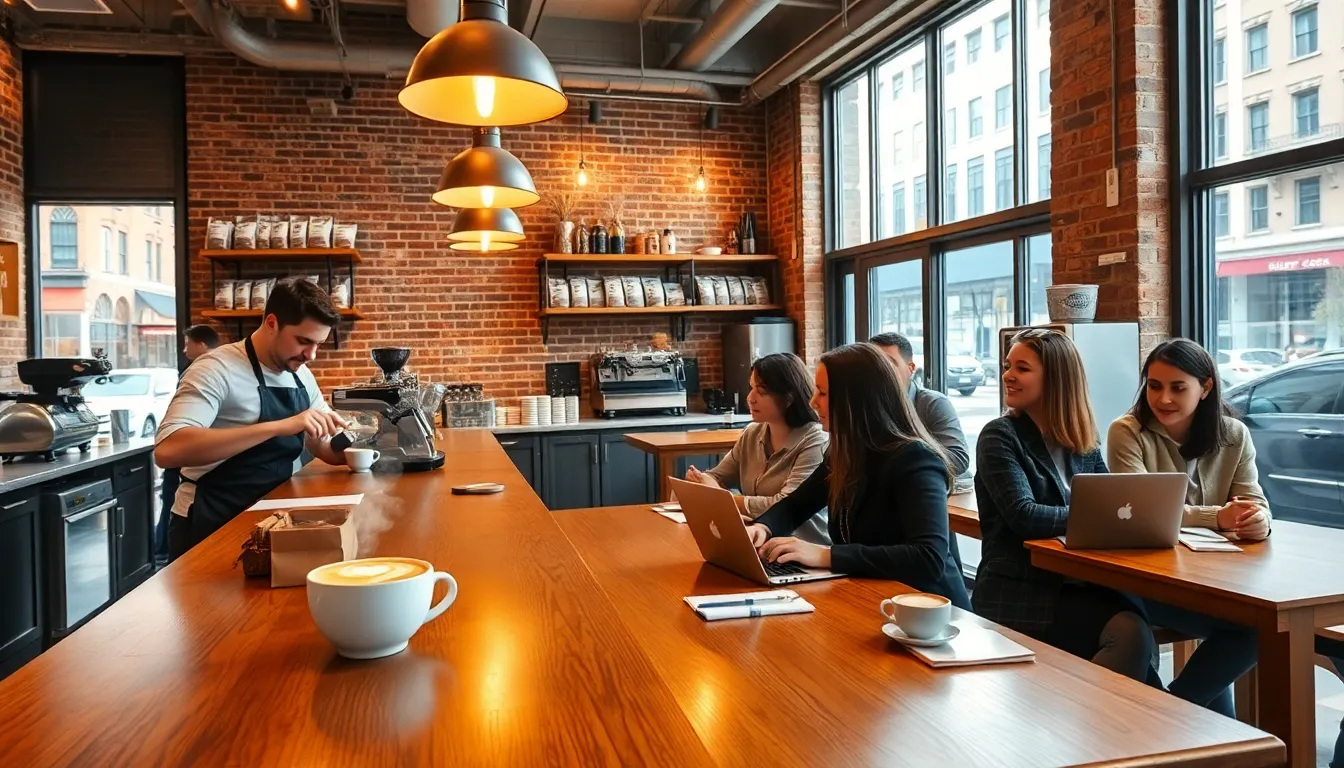
The social aspect remains central to coffee culture. People meet at cafés for dates, business meetings, and friendly catch-ups. Remote workers fill coffee shops with laptops. Coffee provides a reason to gather and a backdrop for conversation.
Aesthetics matter too. Instagram changed how cafés present drinks. Latte art has become an expected skill. Coffee shops invest in interior design, creating spaces people want to photograph and share. The visual experience now complements the taste.
Sustainability has grown into a major concern within coffee culture. Fair trade certifications, direct trade relationships, and environmental practices influence purchasing decisions. Many consumers choose brands based on ethical sourcing.
Finally, coffee culture includes home brewing. The pandemic accelerated this trend. People invested in grinders, scales, and specialty equipment. Home baristas now rival professionals in their dedication to the perfect cup.
How Coffee Culture Varies Around the World
Coffee culture takes different forms depending on location. Italy treats espresso as an art form. Italians drink their coffee standing at the bar, quickly, often multiple times per day. Ordering a cappuccino after 11 a.m. marks someone as a tourist.
Scandinavian countries consume the most coffee per capita. Finland leads the world. Coffee breaks, called “fika” in Sweden, represent mandatory social rituals. Workplaces schedule these breaks. The culture emphasizes slowing down and connecting with colleagues.
Turkey maintains ancient coffee traditions. Turkish coffee is unfiltered, strong, and served with the grounds still in the cup. Fortune telling from coffee grounds remains popular. UNESCO recognized Turkish coffee culture as Intangible Cultural Heritage in 2013.
Vietnam developed its own coffee culture around French colonial influence. Vietnamese coffee uses dark roast beans brewed with a metal filter called a phin. The famous cà phê sữa đá combines this strong coffee with sweetened condensed milk over ice.
Australia and New Zealand revolutionized café culture in the 1990s and 2000s. The flat white originated in this region. Australian coffee culture emphasizes high-quality espresso and trained baristas. Many credit Australian expats with improving coffee standards in cities like London and New York.
Ethiopia, coffee’s birthplace, maintains unique traditions. The Ethiopian coffee ceremony involves roasting green beans, grinding them by hand, and brewing in a clay pot called a jebena. This process takes hours and serves as an important social ritual.
Japan brings precision to coffee culture. Kissaten, traditional Japanese coffee shops, have served hand-dripped coffee since the early 1900s. Japanese baristas pioneered many pour-over techniques now used worldwide.
The Role of Coffee Shops in Modern Society
Coffee shops serve functions beyond selling beverages. They act as “third places”, spaces between home and work where people can exist comfortably. Sociologist Ray Oldenburg identified these spaces as essential for community and civic engagement.
For remote workers, coffee shops provide structure. The ambient noise, social presence, and caffeine access create productive environments. Studies show moderate background noise actually improves creative thinking. Many successful businesses started in coffee shops.
Coffee culture supports local economies. Independent cafés employ baristas, source from local roasters, and pay commercial rent. They attract foot traffic to neighborhoods. A good coffee shop often anchors a commercial district.
These establishments also serve as community hubs. Local artists display work on café walls. Musicians perform at open mic nights. Book clubs and knitting groups meet in corner booths. Coffee shops provide neutral ground for diverse groups to coexist.
The rise of specialty coffee has created new career paths. Barista championships attract serious competitors. Coffee roasters build international reputations. Some coffee professionals earn salaries comparable to sommeliers or chefs.
Coffee shops adapt to changing needs. Drive-throughs expanded during the pandemic. Mobile ordering became standard. Some cafés now offer coworking memberships. The format changes, but coffee culture’s social core remains constant.


