

Table of Contents
ToggleMindfulness practices tools help people build consistent habits and stay present throughout the day. Whether someone is new to meditation or has practiced for years, the right tools can make a real difference in maintaining focus and reducing stress. From smartphone apps to physical objects like meditation cushions and singing bowls, these resources support awareness in practical ways. This guide covers the most effective mindfulness practices tools available today, explains how they work, and offers advice on selecting the best options for individual needs.
Key Takeaways
- Mindfulness practices tools—including apps, cushions, singing bowls, and wearables—help build consistent meditation habits and reduce stress.
- Popular meditation apps like Headspace, Calm, and Insight Timer offer guided sessions, progress tracking, and reminders to keep practitioners engaged.
- Physical tools such as meditation cushions, mala beads, and singing bowls create rituals that signal the brain it’s time to practice.
- Choose mindfulness tools based on your experience level, budget, practice location, and what motivates you to stay consistent.
- Start with one or two tools and test them for several weeks before expanding your collection—the best tools are the ones you’ll actually use.
- Research confirms that regular mindfulness practice reduces anxiety, lowers cortisol levels, and improves attention span.
What Are Mindfulness Tools and Why They Matter
Mindfulness tools are resources that help people practice present-moment awareness. They include apps, physical objects, wearable devices, and audio programs. These tools serve as reminders, guides, and supports for building a regular mindfulness routine.
Why do they matter? Consistency is one of the biggest challenges in any mindfulness practice. Studies show that regular meditation reduces cortisol levels and improves emotional regulation. But, many people struggle to maintain daily practice without external support. Mindfulness practices tools address this gap by providing structure and accountability.
Think of them like training wheels for the mind. A beginner might rely heavily on guided audio sessions, while an experienced practitioner might use a simple timer. Both approaches work because they remove friction from the process. Instead of wondering “how long should I sit?” or “what should I focus on?”, users can simply begin.
These tools also offer variety. Some days call for a ten-minute body scan. Other days, a quick breathing exercise works better. Having multiple mindfulness practices tools available means practitioners can adapt to their current energy level and schedule.
Research from the American Psychological Association confirms that mindfulness reduces anxiety and improves attention span. The right tools make these benefits more accessible to everyone, not just those who can attend retreats or hire instructors.
Digital Apps for Guided Meditation
Meditation apps have become some of the most popular mindfulness practices tools on the market. They offer guided sessions, progress tracking, and reminders that keep users engaged.
Headspace provides structured courses for beginners. Its animations explain mindfulness concepts in simple terms. Users can choose sessions based on goals like stress relief, better sleep, or improved focus.
Calm focuses on relaxation and sleep. It includes bedtime stories narrated by celebrities, nature soundscapes, and breathing exercises. Many users find its interface calming and easy to use.
Insight Timer offers a free library with over 100,000 guided meditations. Teachers from various traditions contribute content, giving users access to Buddhist, secular, and spiritual approaches. The community features let practitioners connect with others worldwide.
Ten Percent Happier takes a skeptic-friendly approach. Journalist Dan Harris created it after his on-air panic attack led him to meditation. The app features conversations with experts and practical advice for busy people.
Features to Look For
When choosing a meditation app, consider these factors:
- Session length options (5 minutes to 60+ minutes)
- Offline access for use without internet
- Progress tracking and streaks
- Variety of teachers and styles
- Cost and subscription model
Most apps offer free trials. Testing several before committing helps users find mindfulness practices tools that match their preferences. Some people prefer minimalist interfaces. Others want detailed statistics about their practice.
Physical Tools to Support Your Practice
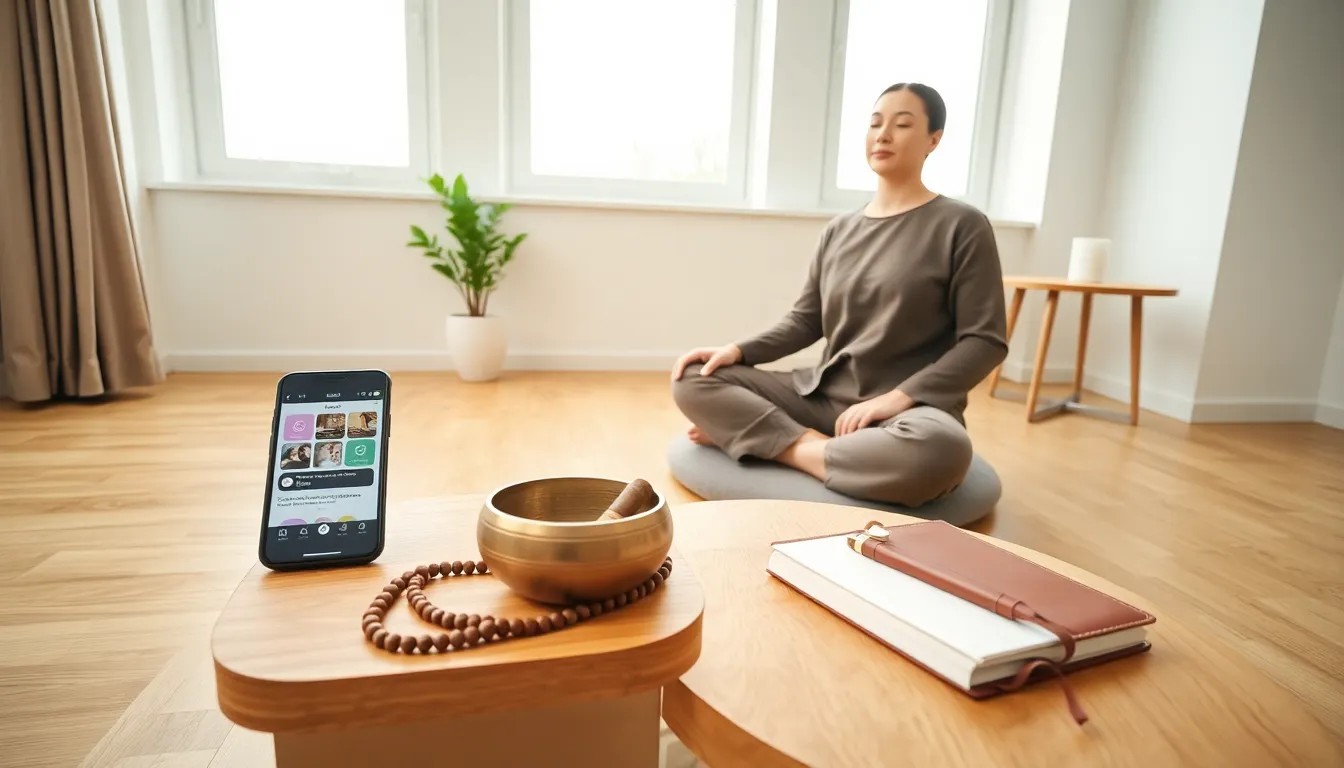
Digital apps aren’t the only mindfulness practices tools worth considering. Physical objects create a dedicated space and signal to the brain that it’s time to practice.
Meditation Cushions and Benches
A zafu (round cushion) or meditation bench supports proper posture during seated practice. Good alignment reduces physical discomfort, which makes longer sessions possible. Many practitioners find that having a designated cushion creates a ritual that strengthens their commitment.
Singing Bowls and Bells
Tibetan singing bowls produce a resonant tone when struck or circled with a mallet. This sound can mark the beginning and end of meditation sessions. Some practitioners use the fading tone as a focus point for attention. Mindfulness bells serve a similar purpose, their clear ring brings awareness back to the present moment.
Mala Beads
These strings of 108 beads help practitioners count mantras or breaths. Moving from bead to bead provides tactile feedback that anchors attention. Mala beads work well for people who find purely mental practices difficult.
Journals
Mindfulness journals prompt reflection before or after meditation. Writing down thoughts, emotions, and insights deepens self-awareness. Some journals include prompts: others provide blank pages for free-form reflection.
Wearable Devices
Devices like the Muse headband provide real-time biofeedback during meditation. They measure brain activity and translate it into audio cues. When the mind wanders, users hear stormy weather sounds. When focus improves, they hear calm birds chirping. This feedback helps practitioners understand their mental patterns.
Physical mindfulness practices tools appeal to people who want a break from screens. They also make meaningful gifts for friends interested in meditation.
How to Choose the Right Mindfulness Tools for You
With so many mindfulness practices tools available, selection can feel overwhelming. A few questions help narrow down the options.
What’s your experience level? Beginners benefit from guided sessions that explain basic techniques. Apps like Headspace provide step-by-step instruction. Experienced practitioners might prefer a simple timer app and physical tools like cushions or singing bowls.
What’s your budget? Free options exist at every level. Insight Timer offers thousands of free meditations. Public libraries often lend books on mindfulness. At the same time, premium apps and quality cushions can enhance the experience for those willing to invest.
Where will you practice? Home practitioners can use singing bowls and dedicated meditation spaces. Those who meditate during commutes or lunch breaks need portable solutions, apps with downloaded sessions or pocket-sized mala beads work well.
What keeps you motivated? Some people respond to streaks and statistics. Apps that track consecutive days of practice help them stay consistent. Others prefer the sensory experience of physical tools. Knowing what drives personal motivation guides better choices.
Do you want community? Apps like Insight Timer include group meditation features and discussion forums. Physical classes and retreat centers offer in-person connection. Solo practitioners might prefer simple tools without social features.
Start with one or two mindfulness practices tools rather than buying everything at once. Test them for several weeks. Notice what works and what doesn’t. The best tools are the ones that actually get used.


