

Table of Contents
ToggleCoffee culture shapes daily routines for millions of people worldwide. From morning espresso shots to afternoon pour-overs, coffee serves as both a ritual and a social connector. This guide explains how to embrace coffee culture, whether someone is a complete beginner or looking to deepen their appreciation.
The coffee industry generates over $100 billion annually in the United States alone. Behind those numbers lies a rich tradition of growing, roasting, brewing, and sharing. Understanding coffee culture means learning about origins, methods, communities, and personal rituals. Each element adds depth to a simple cup of coffee.
This article covers the essential aspects of coffee culture. Readers will learn about coffee’s historical roots, popular brewing methods, local coffee communities, and ways to build meaningful coffee rituals at home.
Key Takeaways
- Coffee culture traces back to 15th-century Ethiopia and has evolved into diverse regional traditions, from Italian espresso bars to Scandinavian fika breaks.
- Experimenting with different brewing methods—drip, French press, pour-over, espresso, and cold brew—helps you discover your personal taste preferences.
- Local coffee shops, roaster tours, and online communities like Reddit’s r/coffee offer valuable opportunities to connect with fellow enthusiasts and deepen your coffee culture knowledge.
- Building home coffee rituals starts with fresh whole beans, a quality burr grinder, and a brewing method that fits your lifestyle.
- Water quality and temperature (195°F–205°F) significantly impact coffee flavor, making filtered water and a temperature-controlled kettle worthwhile investments.
- Tracking your brewing preferences in a notebook helps you refine your technique and make better bean choices over time.
Understanding the Roots of Coffee Culture
Coffee culture traces back to 15th-century Ethiopia, where legend says a goat herder named Kaldi discovered coffee beans. His goats ate berries from a specific tree and became unusually energetic. This discovery eventually spread to Yemen, then across the Ottoman Empire, and finally to Europe.
Coffeehouses emerged in the Arab world during the 1500s. These spaces became centers for conversation, music, and intellectual exchange. The tradition continued when coffeehouses appeared in England, France, and Italy. London’s first coffeehouse opened in 1652, and similar establishments quickly became hubs for business and politics.
Today, coffee culture varies by region. Italian coffee culture centers on quick espresso shots at the bar. Scandinavian countries practice “fika,” a coffee break that emphasizes slowing down and connecting with others. American coffee culture has evolved from diner drip coffee to specialty third-wave roasters focused on single-origin beans.
Understanding these roots helps coffee enthusiasts appreciate their daily cup. Coffee isn’t just a beverage, it carries centuries of tradition. Each sip connects drinkers to farmers in Colombia, roasters in Portland, and generations of coffee lovers before them.
The specialty coffee movement emerged in the 1980s and continues to grow. This movement emphasizes quality at every stage: growing, harvesting, processing, roasting, and brewing. Specialty coffee culture values transparency about bean origins and fair treatment of farmers.
Exploring Different Coffee Brewing Methods
Coffee culture offers numerous brewing methods, each producing distinct flavors and experiences. Beginners should experiment with several techniques to find their preferences.
Drip Coffee
Drip coffee makers remain the most common brewing method in American households. Hot water passes through ground coffee and a filter, producing a clean, consistent cup. This method works well for brewing multiple servings at once.
French Press
The French press offers a full-bodied coffee experience. Coarse grounds steep in hot water for about four minutes before the user presses down a metal filter. This method preserves oils and fine particles, creating a rich texture. Many coffee culture enthusiasts consider the French press an excellent starting point.
Pour-Over
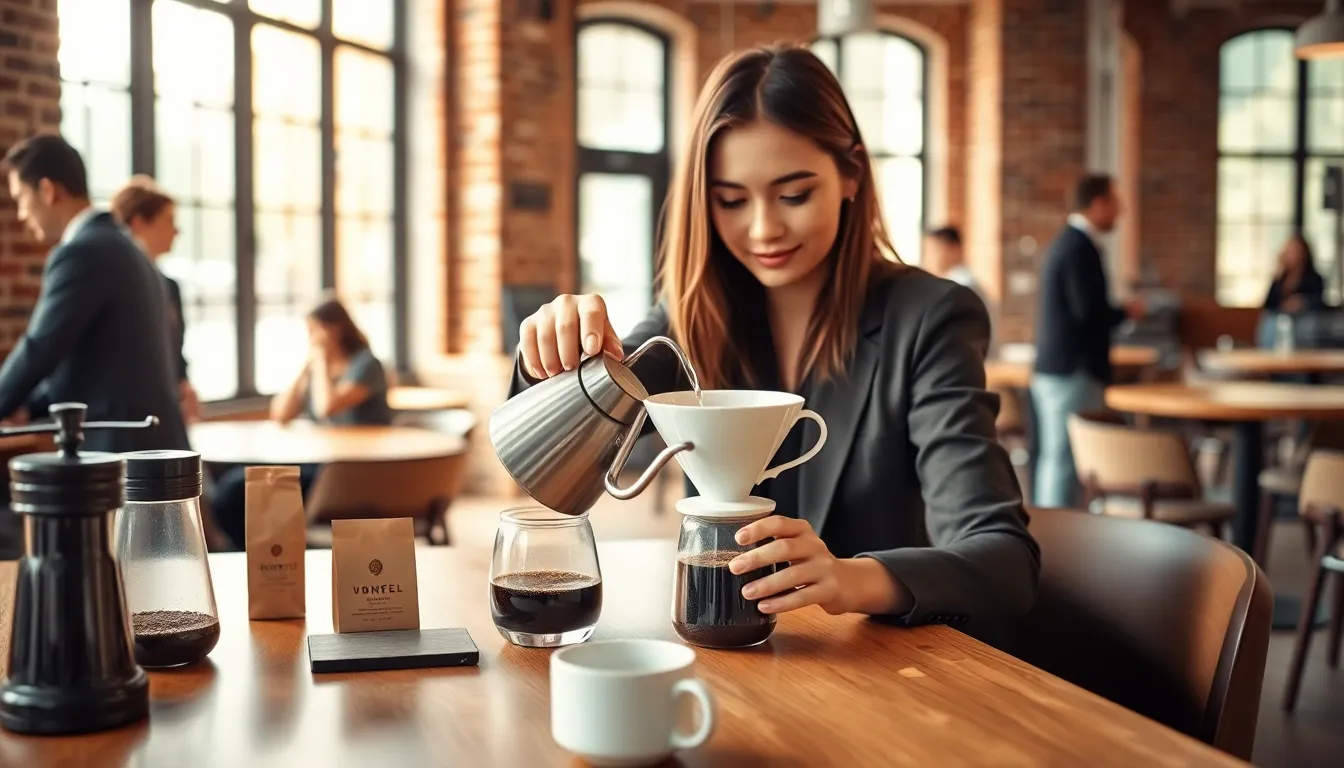
Pour-over brewing involves manually pouring hot water over coffee grounds in a cone-shaped filter. Popular pour-over devices include the Chemex, Hario V60, and Kalita Wave. This method gives the brewer complete control over water temperature, pour speed, and extraction time. Pour-over coffee typically tastes clean and highlights subtle flavor notes.
Espresso
Espresso forms the foundation of many coffee drinks, including lattes, cappuccinos, and americanos. An espresso machine forces hot water through finely-ground coffee under high pressure. The result is a concentrated shot with a layer of crema on top. Home espresso machines range from $100 to several thousand dollars.
Cold Brew
Cold brew steeps coarse coffee grounds in cold water for 12 to 24 hours. The slow extraction produces a smooth, less acidic concentrate. Coffee culture has embraced cold brew as a refreshing alternative, especially during warmer months.
Each brewing method reveals different characteristics of coffee beans. Experimenting with these methods deepens one’s understanding of coffee culture and personal taste preferences.
Finding Your Local Coffee Community
Coffee culture thrives in community settings. Local coffee shops serve as gathering places where enthusiasts connect, learn, and share their passion.
Independent coffee shops often host events like cuppings (coffee tastings), latte art classes, and brewing workshops. These events provide opportunities to meet other coffee lovers and learn from professionals. Many shops post event schedules on social media or community boards.
Baristas serve as valuable resources for anyone exploring coffee culture. They can recommend beans based on flavor preferences, explain different origins, and demonstrate brewing techniques. Building relationships with local baristas enriches the coffee experience.
Coffee roasters sometimes offer tours and educational sessions. Visitors can observe the roasting process, learn about sourcing practices, and sample fresh batches. These visits provide insight into the work behind every bag of beans.
Online communities also support coffee culture growth. Reddit’s r/coffee forum has over 900,000 members discussing everything from grinder recommendations to home roasting tips. Instagram accounts dedicated to coffee showcase latte art, brewing setups, and cafe reviews from around the world.
Farmers markets sometimes feature local roasters selling fresh beans and offering samples. These vendors can share stories about their sourcing relationships and roasting philosophy.
Finding a coffee community transforms a solitary habit into a shared experience. Coffee culture becomes richer when enthusiasts exchange knowledge, recommendations, and enthusiasm with others.
Building Your Own Coffee Rituals at Home
Home coffee rituals anchor daily routines and deepen personal connections to coffee culture. Creating meaningful rituals doesn’t require expensive equipment or advanced skills.
Start with quality beans. Purchase whole beans from local roasters or reputable online sources. Look for roast dates on the bag, coffee tastes best within two to four weeks of roasting. Store beans in an airtight container away from light and heat.
Invest in a decent grinder. Burr grinders produce consistent particle sizes, which improves extraction and flavor. Entry-level burr grinders cost around $50 to $100 and make a noticeable difference compared to blade grinders.
Choose a brewing method that fits your lifestyle. Someone with limited morning time might prefer a programmable drip machine. A person who enjoys the process might gravitate toward pour-over or French press. Coffee culture welcomes all approaches.
Pay attention to water quality and temperature. Filtered water removes chlorine and minerals that affect taste. Water temperature between 195°F and 205°F extracts coffee compounds effectively. Many electric kettles include temperature settings for precise control.
Create space for the ritual. Designate a coffee station with your equipment, beans, and favorite mug. The physical space signals the brain that coffee time has arrived. Some people enhance their ritual with morning journaling, music, or a few minutes of quiet reflection.
Track your preferences in a simple notebook or phone app. Record bean origins, grind sizes, brew times, and tasting notes. Over time, patterns emerge that guide future purchases and brewing adjustments.
Coffee culture at home extends beyond the morning cup. An afternoon espresso break or weekend brewing experiment keeps the practice fresh. These rituals provide structure, pleasure, and daily moments of intention.


