

Table of Contents
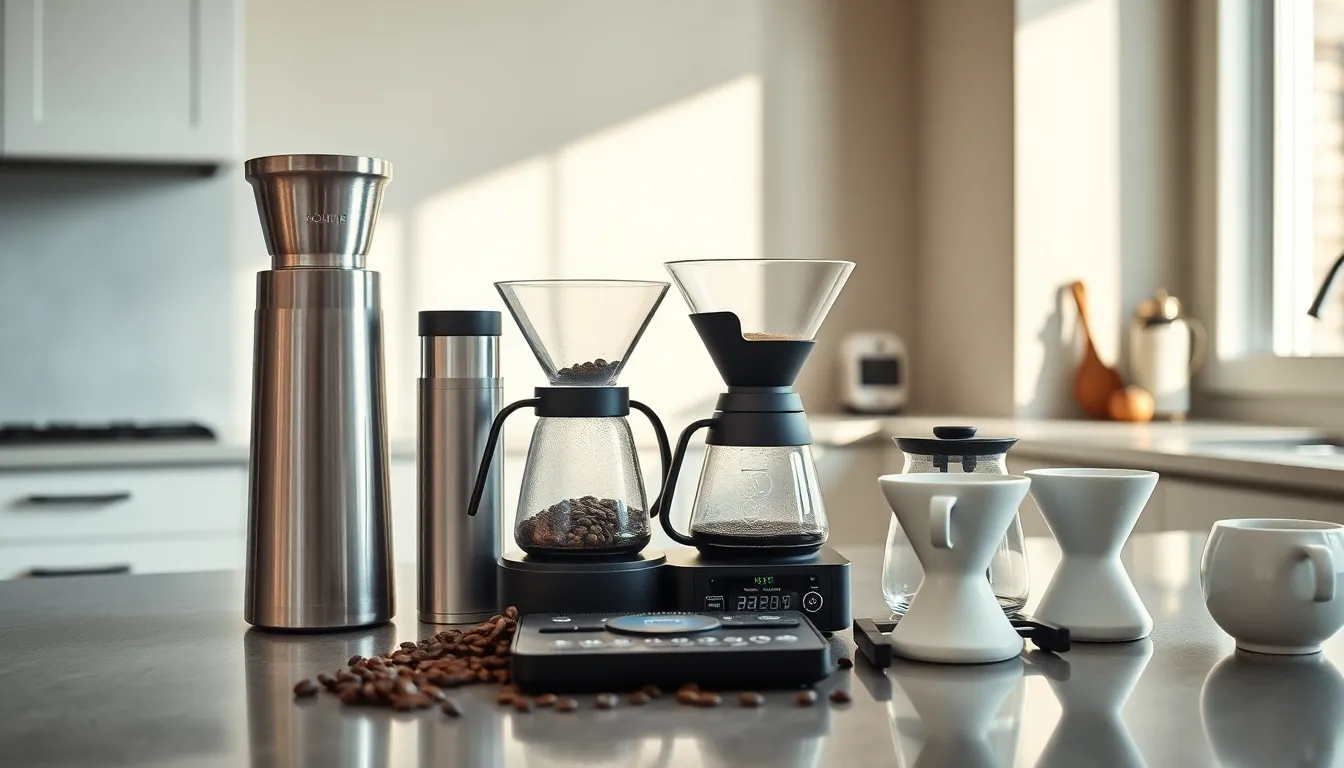
ToggleCoffee culture tools have transformed how people brew and enjoy their daily cup. From precision grinders to specialty pour-over devices, the right equipment makes a real difference in flavor and experience. This guide covers the essential coffee culture tools every enthusiast needs, whether they’re just starting out or looking to upgrade their setup. The modern coffee lover has more options than ever before, and knowing which tools actually matter can save both money and frustration.
Key Takeaways
- Coffee culture tools have revolutionized home brewing, giving enthusiasts café-quality control over grind size, water temperature, and extraction time.
- A burr grinder is the most important investment—freshly ground beans dramatically improve flavor compared to pre-ground coffee.
- Manual brewing methods like pour-over, French press, and AeroPress offer complete control, while SCA-certified electric brewers deliver convenience without sacrificing quality.
- A digital scale ($20) and gooseneck kettle are essential coffee culture tools that ensure consistency and precision in every cup.
- Proper storage containers, water filtration, and regular cleaning significantly impact flavor and equipment longevity.
- Home coffee equipment pays for itself quickly—a $200 grinder can offset daily café visits within months.
The Rise of Home Coffee Culture
The past decade has seen a dramatic shift in how people approach their morning brew. Specialty coffee shops sparked interest, but the real growth happened at home. Coffee culture tools now occupy kitchen counters across the country, and for good reason.
Several factors drove this change. The pandemic pushed millions to recreate café experiences at home. Social media platforms showcased beautiful latte art and sleek brewing setups. And frankly, the math made sense, a $200 grinder pays for itself within months compared to daily café visits.
Today’s home barista expects more than a basic drip machine. They want control over variables like water temperature, grind size, and extraction time. This demand created an entire industry of coffee culture tools designed for home use. Manufacturers responded with equipment that was once exclusive to professional settings.
The community aspect matters too. Online forums, YouTube tutorials, and local coffee meetups have created spaces where enthusiasts share techniques and equipment recommendations. A beginner can learn proper pour-over technique in an afternoon. They can troubleshoot bitter espresso with help from thousands of experienced brewers.
This cultural shift isn’t slowing down. Market research shows the home coffee equipment sector continues to grow year over year. People have discovered that great coffee doesn’t require a barista, just the right coffee culture tools and a willingness to learn.
Essential Brewing Equipment
Choosing the right brewing equipment depends on personal taste, budget, and how much time someone wants to spend each morning. Coffee culture tools fall into two main categories: manual and electric. Both produce excellent results when used correctly.
Manual Brewing Methods
Manual brewing gives the user complete control over every variable. The pour-over method remains the most popular manual approach. Devices like the Hario V60, Chemex, and Kalita Wave each produce slightly different flavor profiles. The V60’s spiral ridges create fast drainage and bright, clean cups. The Chemex uses thicker filters that remove more oils, resulting in a lighter body.
The French press offers a different experience entirely. Its metal mesh filter allows oils and fine particles through, creating a fuller, richer cup. It’s also forgiving for beginners, coarse grounds, hot water, four minutes, and done.
The AeroPress has earned a devoted following since its 2005 introduction. This versatile coffee culture tool uses pressure to extract flavor quickly. It’s compact, nearly unbreakable, and produces everything from espresso-style concentrate to smooth Americanos.
Moka pots deserve mention too. These stovetop devices brew strong, concentrated coffee that works well with milk. Italian households have used them for generations.
Electric Coffee Makers
Electric brewers prioritize convenience without sacrificing quality. The Specialty Coffee Association certifies machines that meet strict brewing standards. These certified brewers maintain proper water temperature (195-205°F) and achieve optimal extraction.
Brands like Technivorm, Breville, and Ratio produce SCA-certified machines. They cost more than standard drip makers but deliver noticeably better results. Programmable features let users wake up to freshly brewed coffee.
Automatic pour-over machines have gained popularity recently. They mimic the manual pour-over process with precise water distribution. The Ratio Eight and Fellow Opus represent this category well.
For espresso lovers, home machines range from entry-level to prosumer grade. A quality espresso setup requires significant investment, both in the machine and the grinder that feeds it. Budget at least $500 for a capable entry-level espresso machine.
Grinding and Measuring Tools
A good grinder matters more than any other coffee culture tool. Pre-ground coffee loses freshness within days. Whole beans, ground just before brewing, deliver dramatically better flavor.
Burr grinders crush beans between two abrasive surfaces. This produces uniform particles that extract evenly. Blade grinders chop randomly, creating dust and boulders that extract at different rates. The result tastes both bitter and sour, the worst of both worlds.
Hand grinders offer excellent value. Models like the Timemore C2 or 1Zpresso JX produce consistent grinds for under $100. They require physical effort but work quietly and travel easily. Many coffee enthusiasts keep a hand grinder even after buying an electric model.
Electric burr grinders range from $150 basics to $500+ prosumer models. The Baratza Encore remains the most recommended entry point. It handles everything from French press to pour-over. Espresso requires finer adjustment and typically demands a more expensive grinder.
Measuring tools ensure consistency. A digital scale that reads to 0.1 grams costs around $20 and transforms brewing accuracy. Most specialty coffee recipes use ratios, typically 1:15 to 1:17 coffee to water by weight. Without a scale, replicating a great cup becomes guesswork.
Thermometers help too. Water temperature affects extraction significantly. Too hot and the coffee turns bitter. Too cool and it tastes weak and sour. A simple instant-read thermometer removes this variable.
Timers complete the measurement toolkit. Pour-over and immersion methods require specific contact times. Most scales include built-in timers, making them doubly useful coffee culture tools.
Accessories That Elevate the Experience
Beyond the core brewing setup, several accessories make the coffee ritual more enjoyable and consistent.
Gooseneck kettles provide precise pour control. Their narrow spouts let users direct water flow exactly where needed. This matters especially for pour-over methods where technique affects extraction. Electric gooseneck kettles with temperature control, like the Fellow Stagg EKG, have become standard coffee culture tools for serious brewers.
Storage containers preserve freshness. Coffee beans release CO2 for days after roasting and absorb odors easily. Airtight containers with one-way valves protect beans from both issues. Brands like Fellow, Airscape, and Miir make popular options.
Distribution tools help espresso preparation. WDT tools (essentially fine needles) break up clumps in ground coffee. Tampers compress the puck evenly. Dosing cups make transfers cleaner. These small accessories improve shot consistency.
Cleaning supplies matter more than most realize. Coffee oils go rancid and affect flavor. Cafiza tablets clean espresso machines. Brush sets reach tight spaces in grinders. A clean setup simply tastes better.
Quality cups and mugs enhance the drinking experience. Double-walled glasses keep coffee hot longer without burning hands. Proper espresso cups hold the right volume and maintain crema. Some enthusiasts collect cups from favorite roasters.
Water filtration systems address a often-overlooked variable. Tap water quality varies widely. Too many minerals create scale buildup. Too few produce flat-tasting coffee. Filtered water or mineral packets help standardize this crucial ingredient.


