

Table of Contents
ToggleCoffee culture tips can transform an ordinary morning cup into something worth savoring. Whether someone grabs a quick espresso before work or spends weekends experimenting with pour-over techniques, understanding coffee culture adds depth to every sip. The global coffee industry serves over 2 billion cups daily, yet many drinkers miss out on the full experience. This guide covers everything from selecting quality beans to building meaningful rituals at home. By the end, readers will have practical coffee culture tips they can use immediately.
Key Takeaways
- Coffee culture tips start with appreciating bean origins—single-origin coffees from different regions offer distinct flavor profiles based on altitude, soil, and processing methods.
- Buy specialty-grade beans and check roast dates, as coffee reaches peak flavor between 7 and 21 days after roasting.
- Match your brewing method to your lifestyle: pour-over for bright, nuanced cups; French press for full-bodied richness; cold brew for smooth, convenient batches.
- Coffee shop etiquette varies globally—Italians drink cappuccinos only at breakfast, while Australian cafes expect informed orders and skilled baristas.
- Build intentional home coffee rituals by creating a dedicated brewing space, experimenting with new origins monthly, and sharing the experience with others.
- You don’t need expensive equipment to enjoy great coffee—a simple hand grinder and French press can produce excellent results when paired with fresh beans and attention to technique.
Understanding the Basics of Coffee Culture
Coffee culture goes beyond drinking caffeine. It represents a set of traditions, preferences, and social practices that vary across regions and communities. In Italy, espresso is a quick ritual at the bar. In Ethiopia, coffee ceremonies can last hours and involve roasting beans from scratch. These differences shape how people connect through coffee.
At its core, coffee culture tips start with appreciation. Knowing where beans come from matters. Single-origin coffees from Colombia taste different than those from Kenya or Sumatra. Each region produces distinct flavor profiles based on altitude, soil, and processing methods.
Coffee culture also includes the social aspect. Cafes serve as meeting spots, workspaces, and community hubs. The “third place” concept, a space between home and work, often centers on coffee shops. Understanding this context helps people engage more fully with their daily brew.
For beginners, the basics involve learning common terms. Words like “body,” “acidity,” and “finish” describe how coffee tastes and feels. A coffee with high acidity tastes bright and crisp. A full-bodied coffee feels heavier on the tongue. These terms appear on packaging and menus, so knowing them improves purchasing decisions.
Choosing Quality Beans and Roasts
Quality beans make the biggest difference in any cup. Coffee culture tips always emphasize sourcing as a starting point. Specialty-grade beans score 80 points or higher on industry scales and represent the top 3% of global production.
Freshness matters more than most people realize. Roasted coffee reaches peak flavor between 7 and 21 days after roasting. After that, oxidation degrades the taste. Buying from local roasters or checking roast dates on bags helps ensure freshness.
Understanding Roast Levels
Light roasts preserve the original flavors of the bean. They taste fruity, floral, or tea-like. Medium roasts balance origin flavors with roasting notes like caramel or chocolate. Dark roasts emphasize smoky, bitter, and bold characteristics while masking the bean’s natural profile.
No roast level is objectively “better.” Personal preference guides the choice. But, lighter roasts often showcase quality differences between beans more clearly.
Storage Tips
Proper storage extends freshness. Keep beans in an airtight container away from light, heat, and moisture. Avoid the refrigerator, coffee absorbs odors easily. Whole beans stay fresh longer than pre-ground coffee, so grinding just before brewing produces better results.
Buying smaller quantities more frequently beats stockpiling. A two-week supply keeps coffee at optimal flavor without waste.
Mastering Popular Brewing Methods
Different brewing methods extract different flavors from the same beans. Coffee culture tips often focus on matching methods to preferences and lifestyles.
Pour-Over
Pour-over brewing uses a filter and manual water pouring. The Chemex and Hario V60 are popular devices. This method produces clean, bright cups that highlight subtle flavors. It takes 3-4 minutes and requires attention to water temperature (195-205°F) and pour speed.
French Press
French press brewing steeps grounds in hot water for about 4 minutes before pressing through a metal filter. The result is a full-bodied cup with more oils and sediment than filtered methods. It’s forgiving for beginners and requires minimal equipment.
Espresso
Espresso forces hot water through finely-ground coffee under pressure. It serves as the base for lattes, cappuccinos, and americanos. Home espresso machines range from $100 to several thousand dollars. Manual lever machines and Moka pots offer cheaper alternatives.
Cold Brew
Cold brew steeps coarse grounds in cold water for 12-24 hours. The slow extraction produces a smooth, low-acid concentrate. It stores in the refrigerator for up to two weeks, making it convenient for busy schedules.
Experimenting with multiple methods helps people discover their preferences. Many coffee enthusiasts own several brewing devices and rotate based on mood or time available.
Coffee Shop Etiquette Around the World
Coffee culture tips extend to behavior in cafes and coffee shops. Customs vary significantly by country.
In Italy, ordering a cappuccino after 11 a.m. raises eyebrows. Italians consider milk-based drinks a breakfast item. Espresso is the norm throughout the day, and it’s drunk standing at the bar, sitting at a table often costs extra.
In Japan, kissaten (traditional coffee houses) emphasize quiet contemplation. Talking loudly or working on laptops disrupts the atmosphere. These spaces prioritize the coffee experience itself.
In the United States and much of Europe, coffee shops double as remote offices. Spending hours with a laptop is acceptable, though buying something every few hours shows respect for the business.
Australian coffee culture prizes quality and expects baristas to have real training. Ordering a “flat white” there gets a different drink than in American chains. Australians take coffee seriously, and generic requests may get puzzled looks.
Tipping customs also vary. American cafes expect tips: many European ones don’t. Research local norms before traveling to avoid awkward moments.
Respecting the space and staff makes any coffee experience better. Simple courtesy, putting away phones during orders, not hovering at the counter, goes a long way.
Building Your Own Coffee Rituals at Home
Home rituals turn coffee from a habit into a practice. Coffee culture tips for home brewing focus on intentionality and consistency.
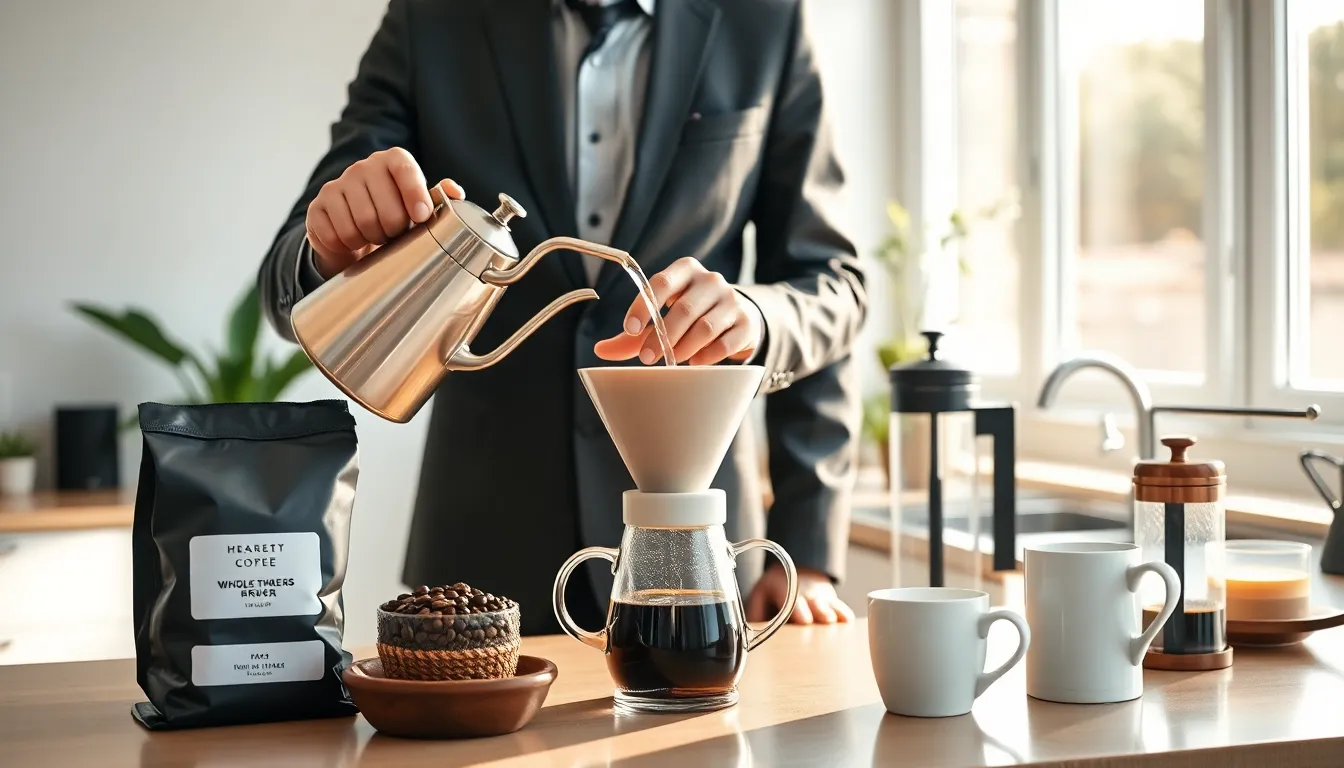
Start with a dedicated space. A coffee station organizes equipment and signals that brewing deserves attention. Even a small corner with a grinder, kettle, and favorite mug creates a sense of ritual.
Timing matters. Morning routines benefit from predictable structure. Grinding beans, heating water, and brewing can become a meditative process that sets the day’s tone. Some people pair coffee with journaling or reading, activities that complement the slower pace.
Experimentation keeps things interesting. Try a new origin each month. Adjust grind size and water ratios. Track results in a simple notebook. This approach builds knowledge and refines personal taste over time.
Invite others into the ritual. Making coffee for family or friends adds a social dimension. Teaching someone a pour-over technique or sharing a special bag of beans strengthens connections.
The equipment doesn’t need to be expensive. A $30 hand grinder and $20 French press produce excellent coffee. Skill and attention matter more than gear.


