

Table of Contents
ToggleCoffee culture strategies shape how cafés connect with their customers and build lasting communities. The modern coffee scene has evolved far beyond selling a cup of espresso. Today’s successful coffee businesses create spaces where people gather, share ideas, and form genuine connections.
Building a thriving coffee community requires intentional effort. Shop owners must understand their customers, craft memorable experiences, and engage both online and offline. This guide explores practical coffee culture strategies that transform casual visitors into loyal community members.
Key Takeaways
- Effective coffee culture strategies focus on creating meaningful customer experiences through trained baristas, thoughtful space design, and personalized service.
- Modern coffee consumers expect quality, authenticity, and sustainability—shops must offer more than just caffeine to build community.
- Social media amplifies your coffee culture by sharing authentic content, engaging consistently, and encouraging user-generated posts.
- Hosting events like cupping sessions, brewing workshops, and open mic nights transforms your café into a true community gathering place.
- Consistency in both product quality and community programming builds customer trust and turns casual visitors into loyal regulars.
- Partnering with local businesses expands your reach and creates dynamic experiences that attract new audiences to your coffee shop.
Understanding the Modern Coffee Culture Landscape
The coffee industry has changed dramatically over the past decade. Consumers now expect more than a quick caffeine fix. They seek quality, authenticity, and connection.
Specialty coffee shops have grown into social hubs. People work remotely from corner tables, hold meetings over pour-overs, and catch up with friends beside espresso machines. This shift creates opportunities for businesses that understand coffee culture strategies.
Third-wave coffee movements prioritize bean sourcing, roasting techniques, and brewing methods. Customers want to know where their coffee comes from. They ask about farmers, processing methods, and flavor profiles. Smart café owners share this information openly.
The modern coffee consumer also values sustainability. They notice when shops use compostable cups, source fair-trade beans, or partner with local roasters. These choices build trust and align with customer values.
Understanding these trends helps businesses develop coffee culture strategies that resonate. A café cannot serve generic drip coffee and expect to build community. It must offer something worth gathering around.
Creating Meaningful Customer Experiences
Customer experience drives coffee culture strategies more than any other factor. Every interaction matters, from the first greeting to the final sip.
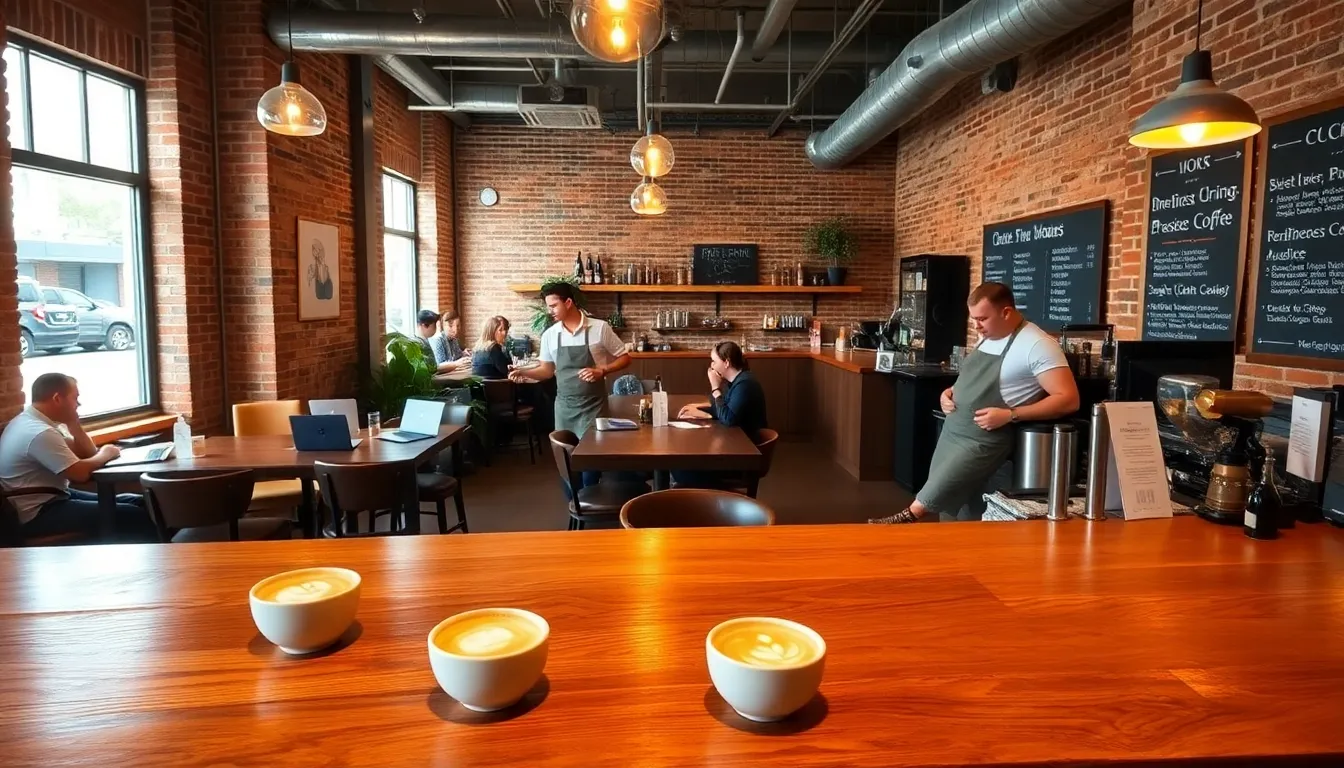
Start with the physical space. Lighting, seating, and music set the mood. Some customers want quiet corners for work. Others prefer communal tables that encourage conversation. The best coffee shops accommodate both needs.
Barista training plays a critical role. Staff should know their products inside and out. They should recommend drinks based on customer preferences and explain brewing methods without condescension. A friendly, knowledgeable barista turns a transaction into a relationship.
Consistency builds trust. Customers return to shops where their latte tastes the same every Tuesday morning. Standard recipes, proper equipment maintenance, and quality control systems ensure this reliability.
Personalization strengthens connections. Remembering a regular’s name and order makes them feel valued. Small gestures, a free pastry on their birthday, a genuine compliment, create emotional bonds.
Coffee culture strategies should also address pacing. Some customers want quick service. Others want to linger. Reading these cues and responding appropriately shows respect for different needs.
The checkout process matters too. Long lines frustrate customers. Confusing payment systems create friction. Smooth, efficient transactions let people focus on what they came for: great coffee and a welcoming atmosphere.
Leveraging Social Media and Digital Engagement
Social media amplifies coffee culture strategies and extends community beyond physical walls. Platforms like Instagram, TikTok, and Facebook connect shops with customers between visits.
Visual content performs well for coffee businesses. Latte art photos, behind-the-scenes roasting videos, and cozy shop aesthetics attract followers. Authentic content outperforms polished advertisements. People want to see real baristas and real customers.
Engagement requires consistency. Posting once a month won’t build momentum. Successful coffee shops share content several times per week. They respond to comments, answer questions, and acknowledge customer posts.
User-generated content strengthens coffee culture strategies significantly. Encourage customers to tag the shop in their photos. Repost their content with credit. This approach provides free marketing and makes customers feel like community members.
Email lists offer another valuable channel. Collect addresses through loyalty programs or in-store sign-ups. Send newsletters featuring new menu items, upcoming events, and exclusive offers. Keep messages brief and valuable.
Online reviews influence potential customers heavily. Monitor platforms like Google and Yelp. Respond professionally to negative feedback and thank positive reviewers. This visibility shows that the business cares about customer opinions.
Digital coffee culture strategies should complement, not replace, in-person interactions. The goal is bringing online followers through the door and keeping existing customers engaged between visits.
Building Community Through Events and Education
Events transform coffee shops from businesses into gathering places. They give customers reasons to visit beyond their daily caffeine needs.
Cupping sessions introduce customers to coffee evaluation techniques. Participants taste different origins, discuss flavor notes, and learn professional tasting methods. These events attract enthusiasts and create memorable experiences.
Brewing workshops teach home coffee preparation. Topics might include pour-over techniques, espresso basics, or cold brew methods. Customers appreciate learning skills they can use at home. They also develop deeper appreciation for the craft.
Open mic nights, book clubs, and art shows bring diverse groups into the space. These events may not focus on coffee directly, but they position the shop as a community center. New visitors discover the café through their interests.
Partnerships expand reach. Collaborate with local bakeries, artists, or musicians. Cross-promotion introduces each business to new audiences. Joint events feel more dynamic than solo efforts.
Coffee culture strategies should include regular programming. Monthly events build anticipation and routine. Customers mark their calendars and invite friends. Consistency matters more than scale, a small monthly gathering beats an occasional large event.
Educational content extends beyond live events. Printed cards explaining different brewing methods, QR codes linking to origin stories, or staff recommendations written on chalkboards all educate customers during regular visits.


