

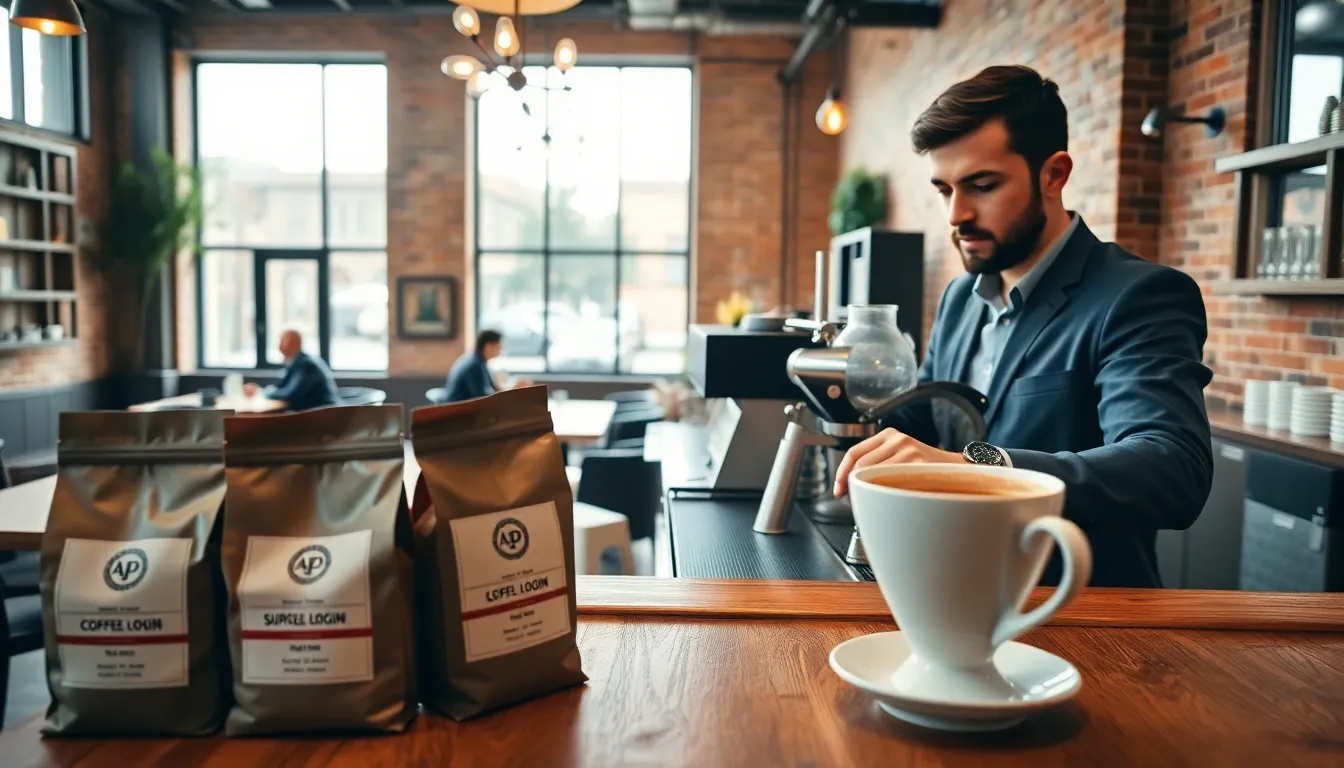
Table of Contents
ToggleThis coffee culture guide explores how people around the globe connect through their love of coffee. Coffee culture shapes daily routines, social interactions, and even city identities. From Italian espresso bars to specialty roasters in Brooklyn, coffee traditions reveal unique values and customs. Understanding coffee culture helps anyone appreciate their morning cup on a deeper level. This guide covers the meaning of coffee culture, global traditions, the third-wave movement, and practical ways to embrace coffee culture every day.
Key Takeaways
- Coffee culture encompasses the social behaviors, rituals, and customs that connect people through their shared love of coffee.
- Each country brings unique traditions to coffee culture—from Italy’s quick espresso rituals to Ethiopia’s hours-long coffee ceremonies.
- Third-wave coffee treats beans as artisanal products, emphasizing origin, quality, and direct trade relationships with farmers.
- Exploring different brewing methods like French press, pour-over, or cold brew reveals new flavors in the same beans.
- Embracing coffee culture starts with simple steps: visit local roasters, learn about origins, slow down, and share the experience with others.
What Is Coffee Culture?
Coffee culture refers to the social behaviors, rituals, and customs surrounding coffee consumption. It includes how people prepare, serve, and enjoy coffee in different settings.
At its core, coffee culture connects people. Coffeehouses have served as gathering spots for centuries. They’ve hosted intellectual debates, business meetings, and casual catch-ups. The drink itself often takes a backseat to the social experience.
Coffee culture also reflects local values. In some places, speed matters, grab a shot of espresso and go. In others, lingering for hours over a single cup is expected. These differences tell us a lot about how communities prioritize time, relationships, and productivity.
Today, coffee culture extends beyond physical spaces. Social media brims with latte art photos and brewing tutorials. Online communities debate roast profiles and extraction methods. The culture has become both hyperlocal and global at the same time.
For newcomers, coffee culture might seem intimidating. But it doesn’t have to be. Anyone who enjoys coffee already participates in it. Understanding the history and traditions simply adds new layers to that daily ritual.
Coffee Culture Around the World
Coffee culture varies dramatically by region. Each country brings its own traditions, preferences, and drinking habits.
Italy: The Espresso Standard
Italians treat espresso as a quick ritual. Most drink it standing at a bar, finishing in under a minute. Ordering a cappuccino after 11 a.m. might earn a raised eyebrow, it’s traditionally a breakfast drink. Italian coffee culture emphasizes quality over quantity and efficiency over leisure.
Ethiopia: The Birthplace of Coffee
Ethiopia holds a special place in coffee history. The traditional coffee ceremony takes hours and involves roasting green beans, grinding them by hand, and brewing multiple rounds. This ceremony strengthens community bonds and honors guests. Coffee culture here is inseparable from hospitality.
Turkey: Fortune in the Grounds
Turkish coffee is thick, strong, and unfiltered. The grounds settle at the bottom of small cups. After drinking, some people flip the cup to read fortunes in the coffee residue. This practice blends coffee culture with tradition and superstition.
Japan: Precision and Innovation
Japanese coffee culture combines precision with creativity. Specialty shops focus on pour-over methods and exact measurements. At the same time, Japan pioneered canned coffee and convenience store brews. Both approaches coexist and thrive.
United States: The Coffeehouse Boom
American coffee culture exploded with the rise of coffeehouse chains in the 1990s. Today, independent roasters and specialty cafes push quality standards higher. The U.S. market continues to shape global coffee trends through innovation and consumer demand.
These examples show how coffee culture adapts to local tastes while maintaining a shared appreciation for the beverage.
The Rise of Third-Wave Coffee
Third-wave coffee represents a shift in how people think about their daily brew. This movement treats coffee as an artisanal product rather than a commodity.
The first wave brought mass-market coffee to households. Think instant coffee and supermarket cans. The second wave introduced specialty drinks and coffeehouse chains. Lattes and mochas became mainstream.
Third-wave coffee culture focuses on origin, quality, and craft. Roasters highlight single-origin beans from specific farms. Baristas use precise brewing methods to extract optimal flavors. Consumers learn about processing methods, altitude, and varietals.
This shift has changed the industry significantly. Direct trade relationships between roasters and farmers have grown. Transparency about sourcing and pricing has increased. Many third-wave companies publish detailed information about their supply chains.
For consumers, third-wave coffee culture offers more choices and better education. Tasting notes on bags help identify flavor preferences. Brewing guides teach home enthusiasts professional techniques.
Critics argue third-wave coffee can feel exclusive or pretentious. A simple cup of coffee sometimes comes with overwhelming jargon. But at its best, this movement celebrates coffee’s complexity and supports farmers who grow exceptional beans.
Third-wave coffee culture continues to evolve. Fourth-wave discussions already focus on sustainability, science, and accessibility. The conversation keeps pushing forward.
How to Embrace Coffee Culture in Your Daily Life
Anyone can deepen their connection to coffee culture with a few simple steps. These practices enhance appreciation without requiring expensive equipment or expert knowledge.
Explore Different Brewing Methods
Try brewing coffee in new ways. A French press produces a full-bodied cup. Pour-over methods highlight subtle flavors. Cold brew offers smooth, low-acid results. Each method reveals different characteristics in the same beans.
Visit Local Roasters and Cafes
Local coffee shops often source unique beans and employ skilled baristas. Visiting them supports small businesses and exposes you to new flavors. Ask questions, most coffee professionals love sharing their knowledge.
Learn About Origins
Pay attention to where your coffee comes from. Ethiopian beans taste different from Colombian or Indonesian varieties. Understanding origins helps identify personal preferences and appreciate the diversity of coffee culture worldwide.
Slow Down
Coffee culture thrives when people take time to enjoy their drink. Step away from the desk. Sit somewhere comfortable. Notice the aroma, temperature, and taste. This mindfulness transforms a routine into a meaningful moment.
Connect With Others
Share coffee with friends, family, or colleagues. Host a tasting session at home. Join online communities that discuss brewing techniques. Coffee culture has always been social, and participating strengthens that tradition.
These small changes make a big difference. They turn everyday coffee consumption into an active engagement with a rich global tradition.


