

Table of Contents
ToggleCoffee culture for beginners can feel overwhelming at first glance. Walk into any specialty café, and you’ll encounter a menu packed with terms like “pour-over,” “cortado,” and “single-origin.” The barista might ask about your preferred roast level or brewing method. Don’t worry, everyone starts somewhere.
This guide breaks down everything new coffee enthusiasts need to know. From understanding different coffee types to ordering with confidence, these fundamentals will transform casual drinkers into informed coffee lovers. Whether someone wants to explore local cafés or build a home brewing setup, this article covers the essentials of coffee culture for beginners.
Key Takeaways
- Coffee culture for beginners involves understanding how communities gather around coffee, different brewing methods, and why quality matters to enthusiasts.
- Master common espresso-based drinks (lattes, cappuccinos, cortados) and brewed methods (pour-over, French press, cold brew) to navigate any café menu confidently.
- Use a simple ordering formula: size + temperature + drink name + milk preference + modifications to order like a regular.
- Start your home setup with just four essentials: a French press, a manual burr grinder, a kettle, and a scale for under $100 total.
- Always buy beans with a printed roast date within two to four weeks for the freshest, best-tasting coffee.
- Coffee culture for beginners transforms a morning caffeine habit into a rewarding hobby through experimentation with roast levels, brewing techniques, and daily rituals.
What Is Coffee Culture and Why It Matters
Coffee culture refers to the social behaviors, rituals, and traditions surrounding coffee consumption. It goes beyond simply drinking caffeine for energy. Coffee culture for beginners involves learning how communities gather around this beverage, how different regions approach preparation, and why quality matters to enthusiasts.
The global coffee industry generates over $450 billion annually. But the cultural significance runs deeper than economics. In Italy, espresso bars serve as neighborhood gathering spots. Ethiopian coffee ceremonies can last hours and celebrate hospitality. American third-wave coffee shops focus on bean origin and artisan brewing techniques.
Understanding coffee culture matters for several reasons:
- Social connection: Coffee shops serve as meeting places for friends, colleagues, and strangers alike
- Quality appreciation: Learning about sourcing and preparation helps people taste the difference between mass-produced and specialty coffee
- Personal ritual: Many people structure their mornings around their coffee routine
- Economic awareness: Knowing about fair trade and direct trade practices connects consumers to farmers
For beginners, coffee culture offers an entry point into a passionate global community. Someone might start by trying a new drink at a local café. That curiosity often grows into deeper interest in roasting, brewing, and sourcing. The journey transforms coffee from a morning necessity into a genuine hobby.
Understanding Basic Coffee Types and Brewing Methods
Coffee culture for beginners starts with knowing the basics. Here’s a breakdown of common drinks and how they’re made.
Espresso-Based Drinks
Espresso forms the foundation of most café drinks. It’s a concentrated shot of coffee made by forcing hot water through finely-ground beans at high pressure.
- Espresso: A single or double shot served straight
- Americano: Espresso diluted with hot water
- Latte: Espresso with steamed milk and a thin layer of foam
- Cappuccino: Equal parts espresso, steamed milk, and foam
- Macchiato: Espresso “stained” with a small amount of milk foam
- Cortado: Espresso cut with an equal amount of warm milk
Brewed Coffee Methods
Not all coffee comes from an espresso machine. These brewing methods produce different flavor profiles:
- Drip coffee: Hot water passes through grounds in a filter, the standard American method
- Pour-over: Similar to drip, but done by hand for more control over extraction
- French press: Grounds steep in hot water, then get separated by a metal plunger
- Cold brew: Grounds steep in cold water for 12-24 hours, creating a smooth concentrate
- AeroPress: A portable device that uses air pressure for quick, clean extraction
Roast Levels
Beans come in light, medium, and dark roasts. Light roasts retain more origin flavors and caffeine. Dark roasts taste bolder and more bitter. Medium roasts balance both characteristics. Coffee culture for beginners often involves experimenting with different roast levels to find personal preferences.
How to Order Coffee Like a Regular
Walking into a busy coffee shop can intimidate newcomers. Here’s how to order with confidence.
Know the size system. Most cafés use small, medium, and large. Some chains use unique names, Starbucks famously uses tall, grande, and venti. When in doubt, just point at the cup size you want.
Specify your milk preference. Options typically include whole milk, skim, oat, almond, soy, and coconut. Oat milk has become especially popular for lattes because it froths well and complements coffee’s natural sweetness.
Understand temperature options. Drinks come hot, iced, or sometimes blended. Iced lattes and cold brew are different drinks, iced lattes are espresso poured over ice with cold milk, while cold brew is a separate brewing method entirely.
Don’t fear customization. Want extra foam? Less ice? An extra shot? Just ask. Baristas expect modifications.
Here’s a simple formula for ordering: [Size] + [Temperature] + [Drink Name] + [Milk if applicable] + [Any modifications]
Example: “I’d like a medium iced oat milk latte with an extra shot.”
Coffee culture for beginners becomes less intimidating once someone learns this basic structure. Most baristas happily answer questions about unfamiliar drinks. They’d rather explain a cortado than remake a drink someone didn’t actually want.
Building Your Own Coffee Ritual at Home
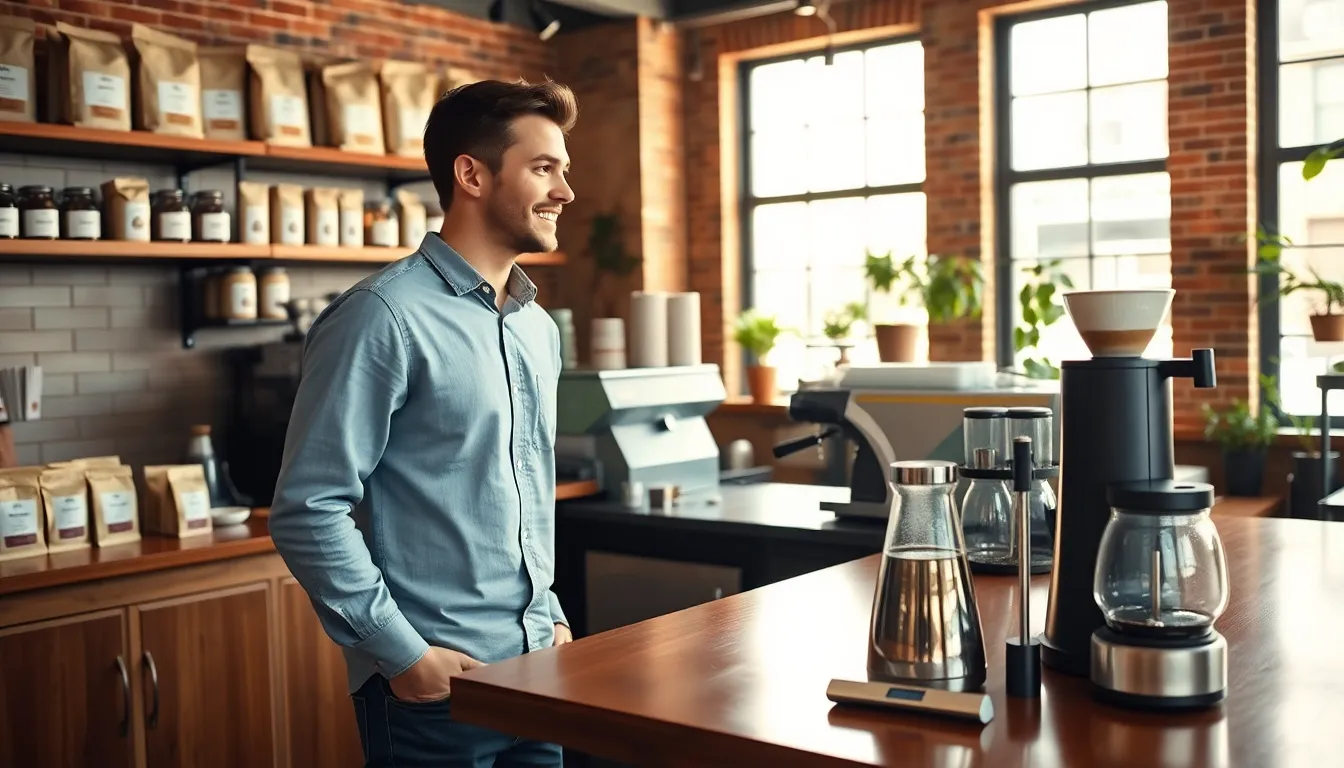
Café visits add up quickly. Building a home coffee setup saves money and deepens appreciation for the craft.
Essential Equipment
Starters don’t need expensive gear. A basic setup includes:
- A brewing device: A French press costs under $30 and produces excellent coffee
- A grinder: Freshly ground beans taste significantly better than pre-ground. Manual burr grinders start around $25
- A kettle: Any kettle works, though gooseneck kettles offer more pour control for methods like pour-over
- A scale: Measuring coffee by weight (not scoops) ensures consistency
Finding Good Beans
Freshness matters more than brand. Look for beans with a roast date printed on the bag, ideally within the past two to four weeks. Local roasters often provide the freshest options. Grocery store beans work fine for beginners, but specialty beans from dedicated roasters show what coffee can really taste like.
Creating Your Morning Routine
Coffee culture for beginners extends into daily rituals. Many enthusiasts find the morning brewing process itself becomes meditative. The act of grinding beans, heating water, and carefully preparing a cup offers a quiet moment before the day starts.
Start simple. Master one brewing method before adding others. A French press with freshly ground beans produces café-quality coffee with minimal learning curve. From there, exploration can continue into pour-overs, espresso machines, or whatever direction curiosity leads.


