

Table of Contents
ToggleThe best mindfulness practices offer a direct path to reduced stress, sharper focus, and better emotional balance. Most people spend their days on autopilot, rushing through tasks, scrolling through feeds, and missing the present moment entirely. Mindfulness changes that pattern. It trains the brain to pay attention on purpose, without judgment.
Research from Harvard Medical School shows that regular mindfulness practice can physically change brain structure in just eight weeks. Gray matter density increases in areas linked to learning, memory, and emotional regulation. These aren’t abstract promises. They’re measurable results anyone can achieve with consistent practice.
This guide covers five proven mindfulness practices that fit into any schedule. From breath awareness to mindful walking, each technique builds awareness skills that compound over time. No special equipment required. No expensive retreats necessary. Just practical methods that work.
Key Takeaways
- The best mindfulness practices—including breath awareness, body scans, and mindful walking—can physically change brain structure in as little as eight weeks.
- Consistency beats duration: just 5–13 minutes of daily mindfulness practice improves attention, memory, and emotional regulation over time.
- Body scan techniques help reduce chronic stress, improve sleep quality, and change your relationship with physical discomfort.
- Mindful movement like walking meditation works well for those who struggle with sitting still, and it easily fits into daily routines.
- Transform everyday activities—eating, commuting, or waiting—into mindfulness practice without adding extra time to your schedule.
- Start small by choosing one daily activity to practice attention, then gradually expand as the habit forms.
What Is Mindfulness and Why Does It Matter
Mindfulness means paying full attention to the present moment. It involves noticing thoughts, feelings, and sensations without labeling them as good or bad. The practice originates from Buddhist meditation traditions but has since been adapted for secular use worldwide.
Jon Kabat-Zinn, founder of the Mindfulness-Based Stress Reduction program at UMass Medical School, defines mindfulness as “awareness that arises through paying attention, on purpose, in the present moment, non-judgmentally.” This definition captures the core idea: intentional awareness without criticism.
Why does mindfulness matter for everyday life? The average person’s mind wanders 47% of the time, according to research from Harvard psychologists. This mental drift correlates directly with unhappiness. When attention stays anchored in the present, people report higher satisfaction and lower anxiety.
The best mindfulness practices address this attention problem directly. They strengthen the brain’s ability to focus and return to focus after distraction. Think of mindfulness like a mental workout. Each session builds the “muscle” of attention. Over weeks and months, this training produces lasting changes in how the brain processes stress, emotions, and daily challenges.
Benefits extend beyond mental health. Studies link mindfulness to lower blood pressure, improved sleep quality, and reduced chronic pain. Corporate programs at companies like Google and Apple now include mindfulness training because it boosts productivity and creativity. The practice isn’t just feel-good advice, it delivers concrete, measurable outcomes.
Breath Awareness Meditation
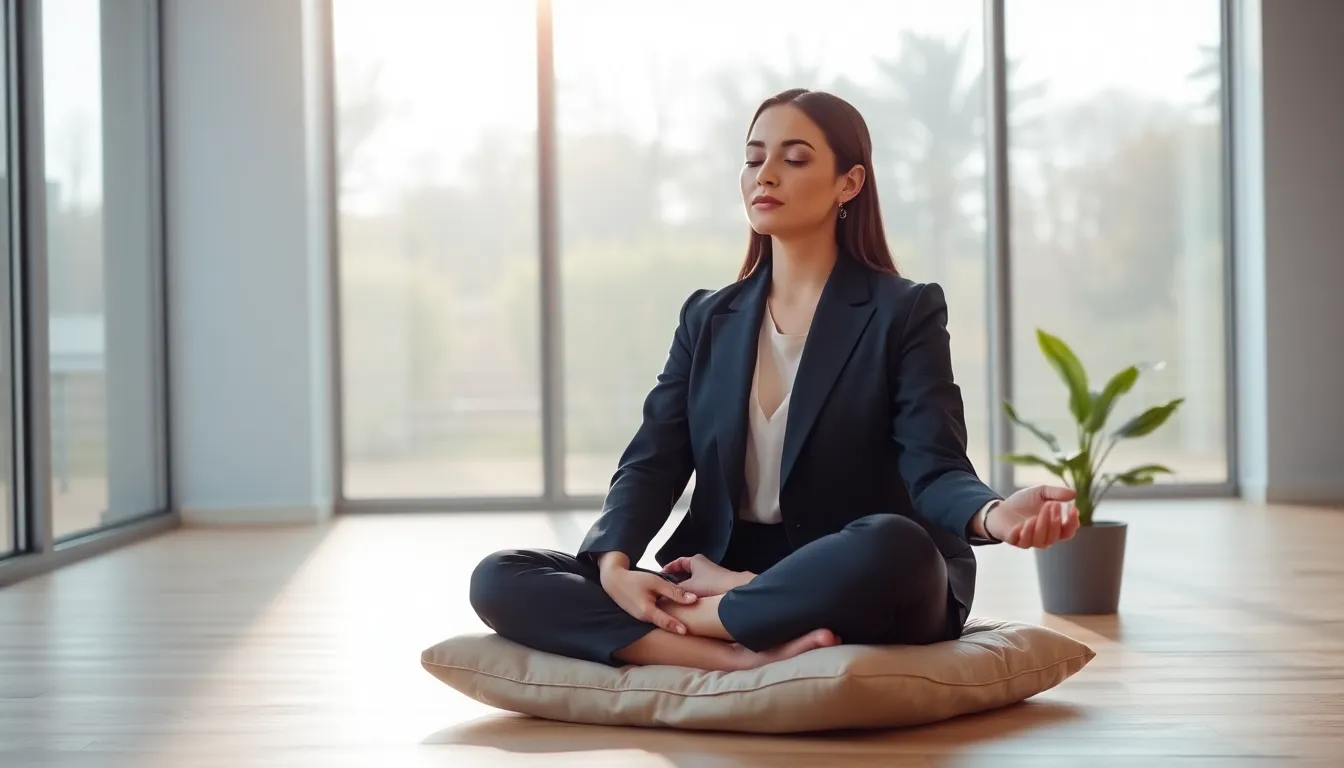
Breath awareness meditation stands as one of the best mindfulness practices for beginners and experienced practitioners alike. The technique is simple: sit comfortably, close your eyes, and focus attention on natural breathing. Notice air entering through the nostrils, filling the lungs, then leaving the body.
The mind will wander. That’s expected. When thoughts pull attention away, gently return focus to the breath. This return is the practice itself. Each redirection strengthens attention circuits in the brain.
How to Start Breath Awareness Meditation
- Find a quiet spot and sit with a straight spine
- Set a timer for five minutes (beginners can start with three)
- Close eyes and take three deep breaths
- Let breathing return to its natural rhythm
- Focus attention on the sensation of breath at the nostrils
- When the mind wanders, notice it and return to breath
Consistency matters more than duration. Five minutes daily beats thirty minutes once a week. The brain responds to regular practice, building new neural pathways with each session.
Research published in the journal Psychiatry Research found that breath-focused meditation reduced symptoms of anxiety and depression after just eight weeks. Participants practiced for an average of 27 minutes daily. But even shorter sessions produce benefits. A 2018 study showed that just 13 minutes of daily practice improved attention and memory after eight weeks.
Breath awareness works because it gives the wandering mind an anchor. The breath is always present, always available. It requires no special conditions or equipment. This makes breath awareness meditation one of the most accessible best mindfulness practices available.
Body Scan Technique
The body scan technique builds awareness of physical sensations from head to toe. Practitioners lie down, close their eyes, and move attention systematically through different body parts. This practice reveals tension patterns most people carry without realizing it.
Body scans work particularly well for stress reduction. Chronic stress manifests physically, tight shoulders, clenched jaw, shallow breathing. By scanning the body with attention, practitioners learn to recognize these signals early and release tension before it builds.
Performing a Basic Body Scan
Start at the top of the head. Notice any sensations there, warmth, tingling, pressure, or nothing at all. Move attention slowly down to the forehead, then eyes, cheeks, jaw. Continue through the neck, shoulders, arms, hands, and fingers.
Proceed to the chest and upper back. Notice the rise and fall of breathing here. Move through the stomach, lower back, hips, and pelvis. Finish by scanning through the thighs, knees, calves, ankles, feet, and toes.
The whole process takes 15-45 minutes depending on pace. Shorter versions work too. Even a quick five-minute scan during a lunch break resets the nervous system.
The body scan ranks among the best mindfulness practices for sleep improvement. A study in JAMA Internal Medicine found that mindfulness meditation, including body scan techniques, significantly improved sleep quality in older adults with moderate sleep disturbances.
This technique also helps with chronic pain management. By observing sensations without resistance, practitioners often find that pain decreases in intensity. The practice changes the relationship with discomfort rather than eliminating it directly.
Mindful Movement and Walking
Mindful movement brings awareness to physical activity. Walking meditation is the most common form, but the principle applies to any movement, yoga, stretching, even washing dishes. The goal is full attention to bodily sensations during motion.
Walking meditation involves walking slowly and deliberately while focusing on each component of the step. Notice the heel lifting, the foot moving forward, the toes touching down. Feel weight shifting from one leg to the other.
This practice works well for people who find sitting meditation difficult. Some minds settle more easily with gentle movement than with stillness.
Getting Started with Mindful Walking
Choose a path about 20-30 feet long. Walk slowly from one end to the other, then turn and walk back. Keep attention on physical sensations, feet on the ground, legs moving, arms swinging naturally.
Speed can vary. Some practitioners prefer extremely slow walking, taking 30 seconds or more per step. Others walk at a normal pace while maintaining attention on the body. Both approaches qualify as best mindfulness practices.
Mindful walking fits naturally into daily routines. The walk from a parking lot to an office building becomes practice time. A trip to the mailbox transforms into a meditation session. These micro-practices add up over time.
Yoga and tai chi also incorporate mindful movement principles. These practices combine physical postures with breath awareness and present-moment attention. They offer the combined benefits of exercise and meditation.
Research supports mindful movement for mental health. A 2019 study in the British Journal of Sports Medicine found that mindful exercise reduced depression symptoms more effectively than conventional exercise alone.
Integrating Mindfulness Into Everyday Activities
Formal meditation sessions build the foundation. But the real transformation happens when mindfulness extends into daily activities. Eating, showering, commuting, any routine activity can become practice.
Mindful eating demonstrates this principle clearly. Instead of scrolling through a phone while eating lunch, give full attention to the meal. Notice colors, textures, and aromas before taking the first bite. Chew slowly and observe flavors developing. This approach improves digestion and often reduces overeating.
The best mindfulness practices don’t require extra time. They transform time already spent on daily tasks.
Simple Ways to Practice Throughout the Day
- Morning routine: Pay full attention while brushing teeth or showering. Feel water temperature, notice soap texture, hear the sounds.
- Commuting: Turn off podcasts occasionally. Notice passing scenery, feel the steering wheel or seat beneath you.
- Waiting: Use idle moments at traffic lights or in lines to take three conscious breaths.
- Conversations: Practice full listening. Notice the urge to plan responses while others speak.
- Before sleep: Spend two minutes noting five things you heard, saw, and felt during the day.
These micro-practices compound. Each moment of attention strengthens the capacity for more attention. Over months, practitioners find that mindful moments arise spontaneously. The practice becomes automatic.
Technology can help or hinder this process. Apps like Headspace and Calm offer guided sessions and reminders. But phones also pull attention away from the present moment. Finding balance matters. Use technology as a tool for mindfulness, not a substitute for direct experience.
The key is starting small. Pick one daily activity and practice attention during that activity for a week. Once the habit forms, add another. Gradual expansion works better than dramatic overhauls.


